Gas canister, With over 42 million Americans going camping annually (Outdoor Industry Association) and 78% prioritizing hot meals outdoors, choosing the right butane gas canister system makes or breaks your wilderness culinary experience.
Why Butane Dominates Portable Camp Cooking?
Key Advantages Over Competing Fuels:
- Instant Ignition Efficiency: Butane’s vapor pressure (2.1 atm at 20°C) enables immediate flame without priming (American Chemical Society)
- Ultra-Compact Systems: 30% lighter than propane setups – critical for backpackers
- Precision Flame Control: Ideal for simmering sauces (unlike roaring white gas stoves)
- Zero Spill Risk: Sealed gas cartridge systems eliminate fuel contamination
Demystifying Butane Canister Types & Specifications
Standard Thread Canisters (EN417)
- 8oz (227g): 60-90 mins burn time | Ideal for 1-2 person backpacking
- 16oz (454g): 2-3 hours burn time | Best for group car camping
- Valve Types:
- Piercing Valve: Cheap stoves puncture canister (leak risk)
- Threaded Valve: Industry-standard secure connection
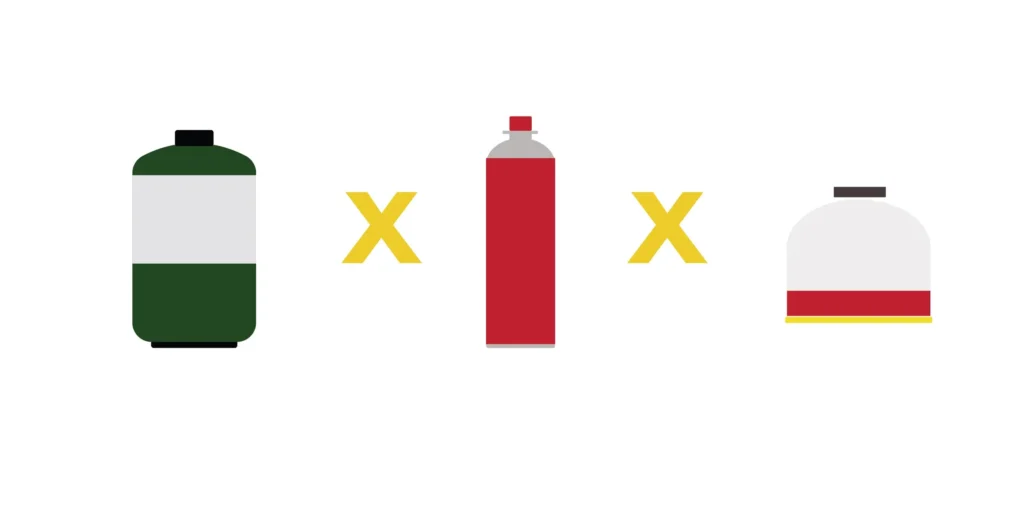
Refillable Camping Gas Bottles
- MSR IsoPro Refillables: 30% cost savings over disposables
- Safety Feature: Built-in pressure relief valves (PRV) prevent rupture at >250 psi
🔥 Pro Tip: Look for isobutane blends (e.g., 80% isobutane/20% propane) for -7°C (20°F) cold-weather performance (Journal of Chemical & Engineering Data)
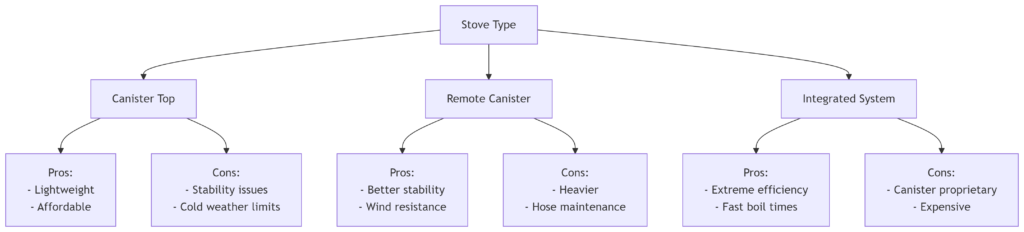
Butane Stove Engineering: How to Choose
Mastering Cold Weather Butane Performance
The #1 Problem Solved: Butane fails at 32°F/0°C due to vaporization issues. Combat this with:
- Canister Warming Techniques:
- Sleep with camping gas bottle in sleeping bag
- Use chemical hand warmers on canister base
- Isobutane Blends: Brands like Jetpower (70/30 isobutane/propane) work to -12°C
- Inverted Canister Mode: Flip compatible stoves to feed liquid fuel (MSR Technical Bulletin)
❄️ Critical Data: Standard butane vapor pressure drops 80% at 0°C vs 20°C (Engineering Toolbox)
Butane Safety: Myths vs Facts
Myth: “Butane canisters explode in heat”
Fact: Modern camping gas canisters have:
- Burst discs activating at 24-30 bar (347-435 psi)
- Temperature safety margin: Up to 50°C/122°F (OSHA Guidelines)
Storage Protocol:
- Never leave in hot cars (trunk temps reach 70°C/158°F)
- Transport in insulated cases like Flambeau Tuff Case
Sustainable Butane Practices
Recycling Done Right
- Terracycle Program: Free gas cartridge recycling
- Puncturing Safety: Use Blue Rhino ResQ tool before disposal
Fuel-Saving Techniques
- Simmer Control: Stoves with piezo ignition save 25% fuel vs matches
- Wind Block: 5mph wind increases boil time 50% – use Windbreak panels
- Canister Check: Ensure seal intact, no dents
- Connection: Screw clockwise until firm hand-tight stop
- Leak Test: Apply soap solution at valve – bubbles indicate leak
- Ignition: Hold ignition 5 sec before releasing gas
- Post-Use: Detach canister below 0°C to prevent valve freeze
Butane vs Alternatives: When to Switch
| Scenario | Recommended Fuel | Reason |
|---|---|---|
| Below -7°C | Liquid fuel (white gas) | Guaranteed vaporization |
| Month-long expeditions | Propane refillables | Cost efficiency |
| High-altitude (>10,000ft) | Isobutane blends | Consistent pressure |
Expert Maintenance Protocol
Monthly Checklist:
- Inspect stove jets for debris (use 0.4mm cleaning wire)
- Test O-rings with silicone grease application
- Check hoses for cracks (replace every 2 years)
Storage Prep:
- Run stove until fuel empty
- Seal valves with plastic caps
- Store in climate-controlled space (5-25°C ideal)
Essential Safety Practices for Any Portable Stove Camping
- Ventilation: never use indoors or in enclosed spaces.
- Clearance: keeping flammable materials away.
- Stable surface: preventing tipping.
- Carbon monoxide awareness.
- Children and pets away from hot stoves.
- Emergency procedures (what to do if there’s a gas leak or fire).
Cleaning and Maintenance for Your Butane Gas Burner
- Routine cleaning after each use.
- Checking O-rings and seals for wear and tear.
- Proper storage of stoves and gas canisters.
- Inspecting hoses and connections.
Troubleshooting Common Issues with Your Burner Stove
- Pilot light won’t light.
- Low flame.
- Gas leak smell.
- How to identify and safely address minor problems.
- When to seek professional help or replace the stove.
Conclusion
Mastering your camp kitchen begins with choosing the right butane gas canister and stove – a decision that impacts everything from meal quality to backcountry safety. As we’ve demonstrated, understanding camping gas bottle specifications (like isobutane blends for cold weather), proper storage protocols, and fuel-efficient techniques transforms chaotic campsite cooking into a streamlined experience.
Key takeaways:
- Fuel wisdom: Match your gas cartridge to conditions (e.g., isobutane blends below freezing)
- Safety first: Always inspect seals, store below 50°C, and use certified camping gas canisters
- Efficiency mastery: Use wind blocks and simmer controls to extend burn time 25%+
- Sustainability: Recycle via refillable systems to reduce waste
A well-equipped camp kitchen isn’t just about gear – it’s about confidence. When your stove ignites instantly in rain, simmers sauces perfectly, and boils water faster than a trailside waterfall, you reclaim time for what matters: sunsets, stories, and s’mores under the stars.
Ready to taste freedom? Grab your butane gas canister, pack that camping gas bottle, and hit the trail. Your most delicious wilderness meals await – because adventure always tastes better hot.
➤ Pro Tip: Bookmark this guide and share it with your camping crew – because great food should be a group sport!